Session Five: Traditionalism
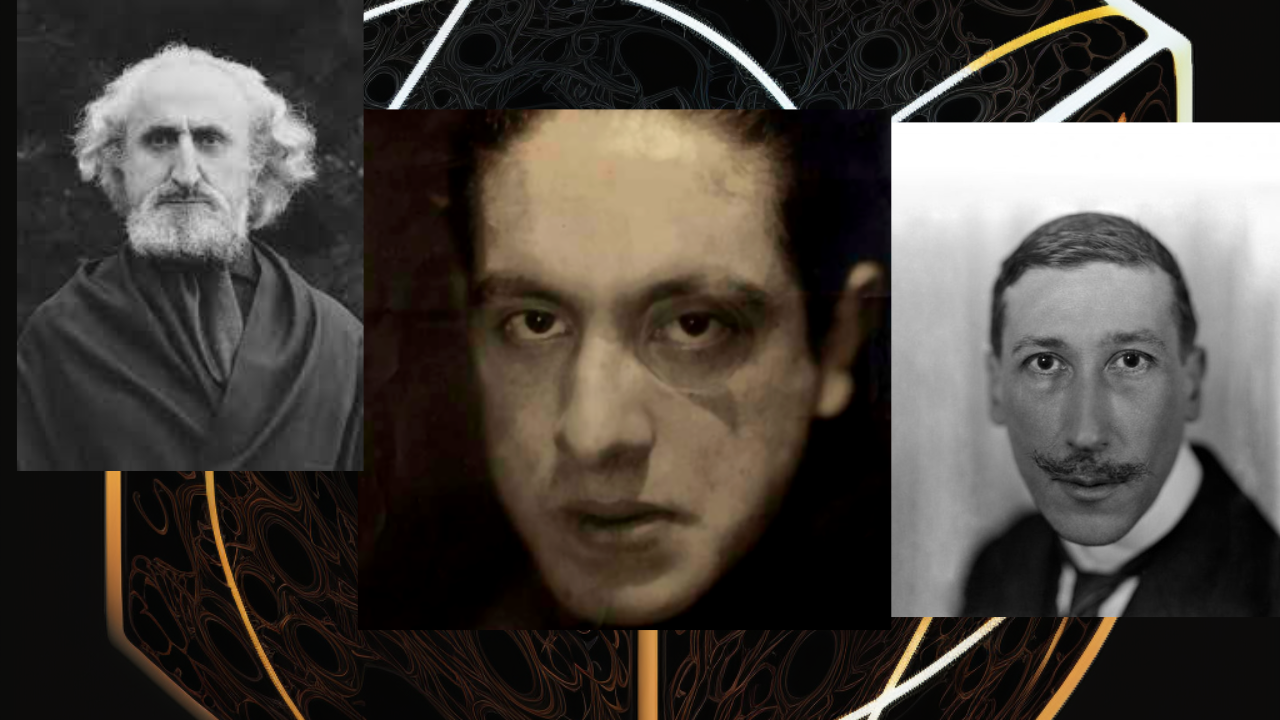
Traditionalism is a philosophical school that emphasizes the importance of preserving traditional religious and cultural values in the face of modernity. The traditionalists see themselves as defenders of the perennial wisdom at the heart of all great religious and philosophical traditions and argue that this wisdom has been lost or obscured in the modern era. We will explore the ideas and influence of three key traditionalist thinkers: Rene Guenon, Fritjof Schuon, and Julius Evola.
Rene Guenon was a French philosopher and spiritual teacher who played a key role in the development of traditionalist thought. Guenon's central idea was the concept of the "primordial tradition," which he believed to be the universal source of all traditional wisdom. He argued that the West had lost touch with this tradition, leading to the spiritual crisis of modernity. Guenon was critical of Western esotericism, which he saw as a deviation from the true tradition. Despite his criticisms, Guenon's work has been influential in traditionalist circles and has been cited by figures on the far right.
Fritjof Schuon was a Swiss philosopher and metaphysician who emphasized the esoteric unity of all religions, arguing that they all point to the same transcendent reality. He believed that this unity could be experienced through spiritual practices such as meditation and prayer. Schuon was also critical of the excesses of modernity, which he saw as leading to the spiritual and moral decline of society. Like Guenon, Schuon's work has been influential in traditionalist circles and has been cited by figures on the far right.
Julius Evola was an Italian philosopher and far-right political activist who believed in the superiority of traditional aristocratic values over the egalitarianism of modern society. He was critical of democracy, liberalism, and modern science, which he saw as leading to the spiritual and cultural decline of the West. Evola's work has been influential on the far right and has been cited by figures such as Steve Bannon. Despite the controversies surrounding his views, Evola's work offers a critique of modernity that is worth considering.